
Sdílej článek:
Stručné shrnutí
Dne 18. prosince 2025 oznámila síť Pi Network významnou aktualizaci svých funkcí Decentralizované směnárny (DEX) a Automatizovaného tvůrce trhu (AMM) v testovací síti (Testnet). Aktualizace, vycházející z testování a zpětné vazby od uživatelů, jsou navrženy tak, aby zlepšily použitelnost, transparentnost a sladily tokeny s vytvářením skutečné užitečné hodnoty.
Pioneers,
Jsme jen pár dní od roku 2026, roku určeného pro otevřený mainnet. Energie v ekosystému je právě teď hmatatelná. Zatímco si mnozí užívají svátky, vývojové týmy a komunita pracují tvrději než kdy jindy, aby zajistily bezproblémový přechod k plně otevřené ekonomice.
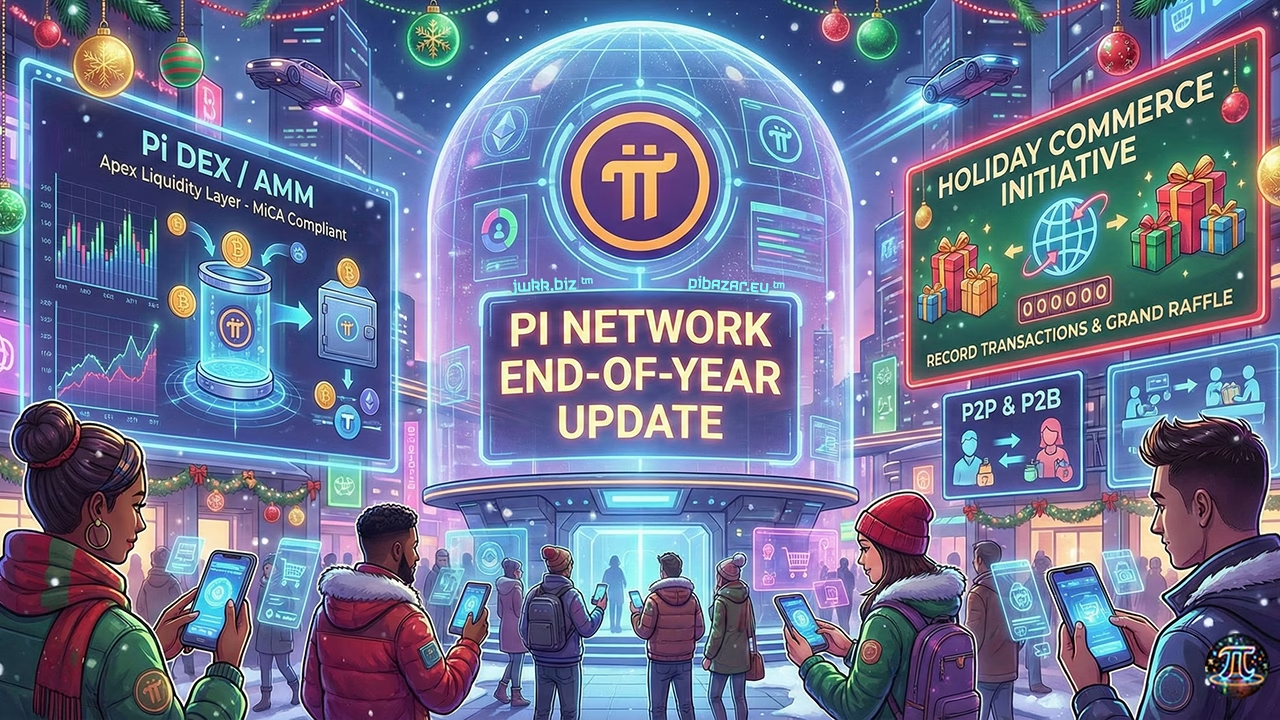
Dnes máme dvě hlavní aktualizace: zprávu o stavu klíčového finančního zabezpečení sítě (DEX/AMM) a průběžnou zprávu o naší rozsáhlé vánoční obchodní iniciativě.
Klíčové změny zahrnují čtyři hlavní oblasti:
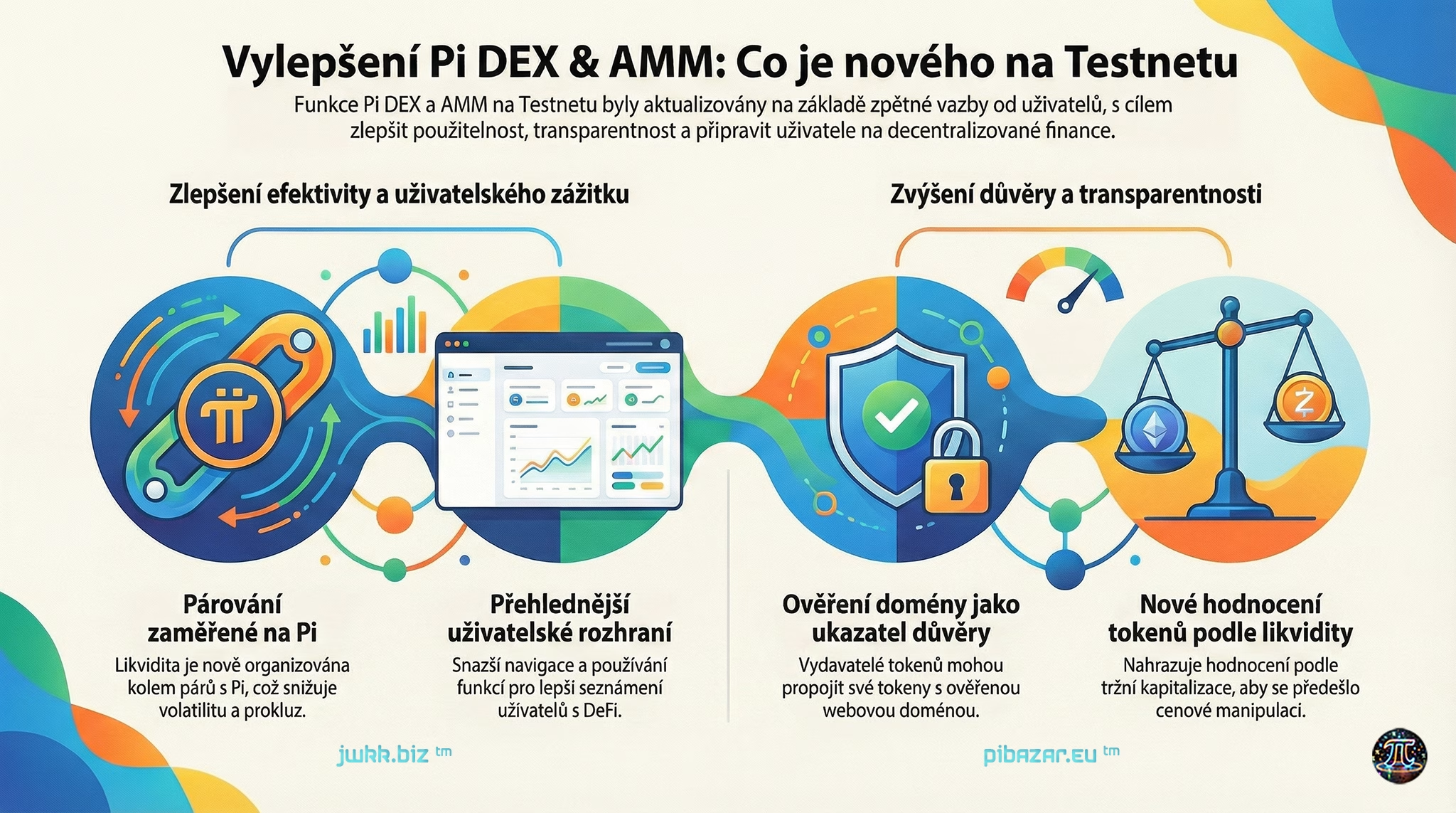
- Vylepšení uživatelského rozhraní: Úpravy designu zjednodušují navigaci a usnadňují pochopení DeFi nástrojů pro uživatele (Pioneers).
- Organizace likvidity zaměřená na Pi: Veškerá likvidita je nyní organizována v párech s Pi jako základním aktivem, což koncentruje likviditu, zvyšuje její efektivitu a snižuje volatilitu.
- Ověření domény jako ukazatel důvěry: Emitenti tokenů musí nyní propojit své tokeny s ověřenou doménou, což uživatelům poskytuje další nástroj pro posouzení důvěryhodnosti projektu.
- Hodnocení tokenů podle likvidity: Byl zaveden nový systém hodnocení, který řadí tokeny podle objemu likvidity v jejich poolu namísto tržní kapitalizace, aby se předešlo manipulaci s cenou a umělému navyšování hodnoty.
Souběžně s technickými aktualizacemi byla spuštěna komunitní iniciativa „Holiday Commerce Event“, která má za cíl podpořit reálné obchodování a malé podniky v ekosystému Pi během svátečního období.
Obsah článku 📖
Odhadovaná doba čtení: 11 minut
Podcasty [en][cz]
Vysvětlení [Video][Angličtina]
Strukturovaný, komplexní přehled, který propojuje jednotlivé informace z článku v angličtině.
Podrobná analýza [Audio][Angličtina]
Živá konverzace mezi dvěma moderátory, rozebírání a propojování témat z článku v angličtině.
Vysvětlení [Video][Čeština]
Strukturovaný, komplexní přehled, který propojuje jednotlivé informace z článku v češtině.
Podrobná analýza [Audio][Čeština]
Živá konverzace mezi dvěma moderátory, rozebírání a propojování témat z článku v češtině.
Infografika [en][cz]
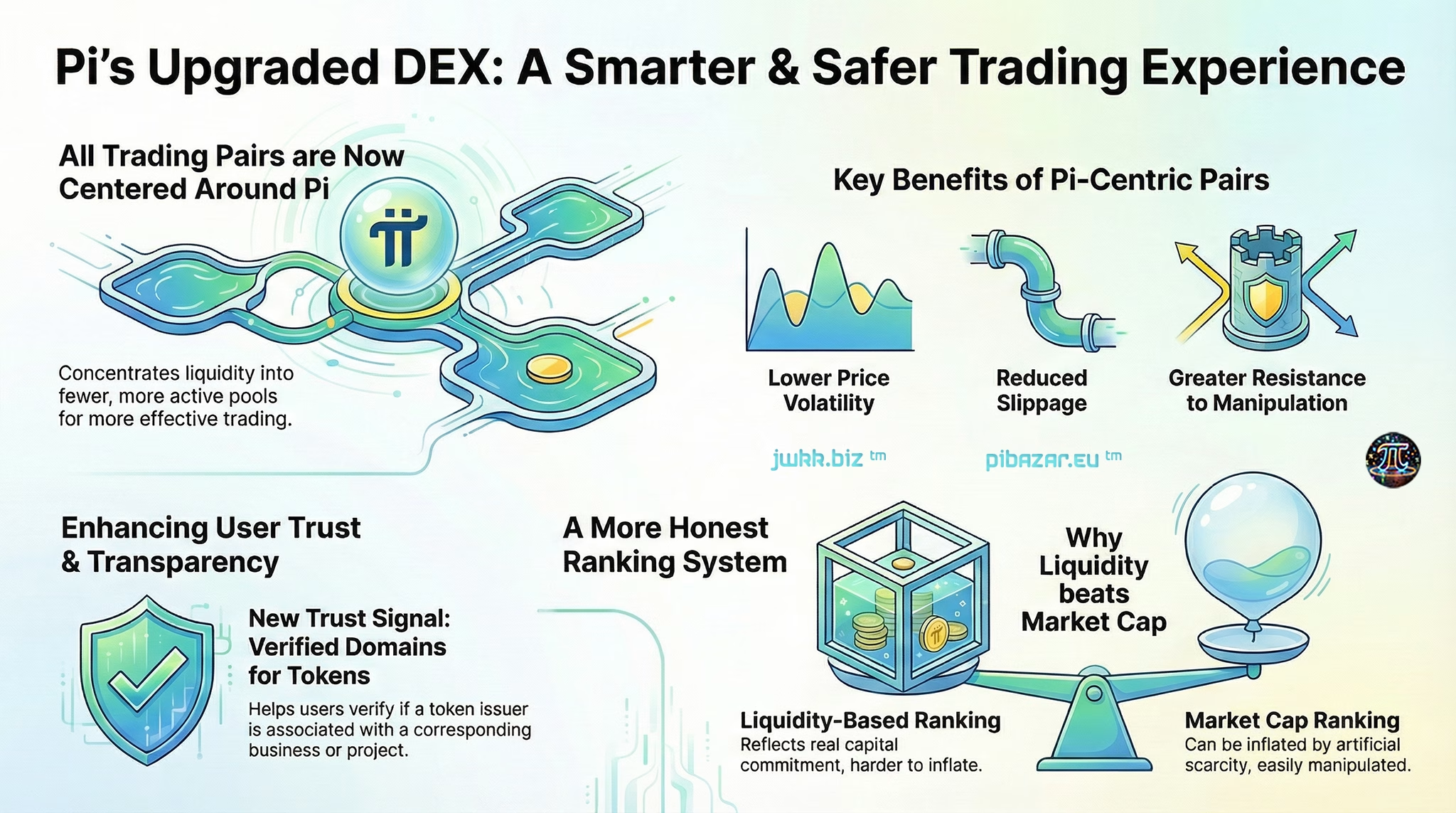
Pi’s Upgraded DEX Trading Experience [Infografika][Angličtina]
Vylepšení Pi DEX a AMM Testnet [Infografika][Čeština]
1. Cíle a Kontext Aktualizací
Aktualizace funkcí DEX a AMM na Pi Testnetu byly implementovány na základě prvotního používání, testování a zpětné vazby od komunity. Tyto změny jsou vedeny několika klíčovými cíli:
- Sladění tokenů s reálnou užitečností: Podporovat vytváření tokenů, které mají skutečnou hodnotu a praktické využití.
- Zvýšení praktického využití Pi: Usnadnit a podpořit používání Pi v rámci decentralizovaných financí.
- Zlepšení uživatelské přívětivosti a transparentnosti: Zpřístupnit DeFi nástroje širší komunitě a zvýšit srozumitelnost jejich fungování.
Hlavním účelem těchto nástrojů v prostředí Testnetu zůstává vzdělávání a příprava komunity. Cílem je seznámit uživatele (Pioneers) s nástroji a funkcemi DeFi, zlepšit jejich finanční gramotnost a poskytnout bezpečné prostředí pro experimentování s mechanismy decentralizovaných směnáren a poolů likvidity pomocí testovacích mincí Test-Pi.
2. Klíčové Změny v Pi DEX a AMM
Aktualizace se zaměřuje na čtyři hlavní pilíře, které společně přetvářejí uživatelskou zkušenost a funkčnost platformy.
2.1 Vylepšené Uživatelské Rozhraní a Organizace
Byly provedeny úpravy uživatelského rozhraní (UI) s cílem zlepšit celkovou přehlednost a zjednodušit navigaci. Tyto změny mají snížit překážky pro nové uživatele a usnadnit pochopení, jak s funkcemi DEX a AMM pracovat. K dispozici je také nové video s návodem, které demonstruje aktualizované rozhraní a vysvětluje fungování těchto DeFi nástrojů.
2.2 Párování Zaměřené na Pi a Organizace Likvidity
Nejvýznamnější změnou je reorganizace likvidity, která je nyní strukturována výhradně kolem párů denominovaných v Pi. Pi slouží jako společné základní aktivum pro veškeré obchodování na DEX.
- Princip: Tento přístup, kde se jako základní aktivum používá nejlikvidnější měna, je osvědčenou praxí v mnoha ekosystémech.
- Cíl: Místo fragmentace likvidity do mnoha malých a neaktivních poolů dochází k její koncentraci do menšího počtu větších a aktivnějších poolů. Tím se stávající likvidita stává efektivnější pro obchodování.
- Praktický dopad: Pokud mají token A i token B obchodní pár s Pi, lze snadno a transparentně odvodit jejich vzájemný kurz.
Tento model organizace likvidity přináší několik potenciálních výhod:
- Nižší volatilita cen: Jednotlivé obchody mají menší dopad na cenu tokenů.
- Snížený prokluz (slippage): Výsledky obchodů jsou předvídatelnější.
- Větší odolnost vůči manipulaci: Zvyšuje se kapitál potřebný k ovlivnění trhu.
- Spolehlivější zjišťování cen: Zejména s rostoucím objemem obchodů.
Tato změna je nasazena jako experiment a bude dále vyhodnocována na základě dat o používání.
2.3 Ověření Domény jako Ukazatel Důvěryhodnosti
Byl zaveden nový mechanismus, který má uživatelům pomoci lépe posoudit důvěryhodnost tokenů. Dříve byl token spojen pouze s adresou na blockchainu, která je pro většinu uživatelů obtížně interpretovatelná.
- Nová Funkce: Emitenti tokenů nyní musí propojit své tokeny s ověřenou doménou. Uživatelé tak mohou snadno ověřit, zda je token skutečně vydán subjektem, který ovládá příslušnou webovou doménu.
- Upozornění: Tento prvek nezaručuje, že je token bezpečný nebo důvěryhodný. Slouží pouze jako další informační signál, který pomáhá identifikovat možné podvodné tvrzení. Odpovědnost za rozhodnutí, čemu důvěřovat, zůstává plně na uživateli.
2.4 Systém Hodnocení Tokenů Založený na Likviditě
Pi Network testuje nový systém hodnocení tokenů v rozhraní DEX, který upřednostňuje likviditu před tržní kapitalizací.
| Metrika Hodnocení | Popis a Rizika/Výhody |
|---|---|
| Tržní kapitalizace (Market Cap) | Výpočet: Cena tokenu x Cirkulující zásoba. <br> Riziko: Náchylnost k manipulaci. Emitent může držet většinu zásoby (např. 99 %), uvolnit do oběhu pouze malé množství a uměle navýšit cenu. Tím se nafoukne tržní kapitalizace a projekt se jeví hodnotnější, než ve skutečnosti je. |
| Likvidita | Výpočet: Množství likvidity (měřeno v Test-Pi) aktivně vložené do poolu tokenu. <br> Výhoda: Odráží skutečný kapitálový závazek. Pro zvýšení hodnocení musí token přilákat dodatečnou likviditu, což je podstatně nákladnější a obtížnější zmanipulovat. Hodnocení se navíc automaticky aktualizuje se změnami v likviditě. |
Tento systém je v současné době ve fázi testování a může se dále vyvíjet na základě získaných dat a zpětné vazby.
3. Holiday Commerce Event (Sváteční Obchodní Akce)
Kromě technických aktualizací Pi Network organizuje komunitní nákupní iniciativu zaměřenou na podporu reálného obchodování v ekosystému.
- Cíl: Zviditelnit obchodníky přijímající Pi a povzbudit uživatele k nakupování s Pi, a to jak online v aplikacích, tak u místních obchodníků.
- Mechanismus: Obchodníci mohou vytvářet a propagovat své vlastní sváteční akce na platformě Pi. Uživatelé mají jednoduchý způsob, jak tyto podniky objevovat, nakupovat a sdílet své zkušenosti.
- Přínos: Iniciativa podporuje malé podniky, reálné využití Pi a aktivní zapojení celé komunity do ekosystému.
DeFi Jinak: 3 Překvapivé Aktualizace na Testnetu Pi, Které Musíte Znát
Svět decentralizovaných financí (DeFi) je pro nováčky často vnímán jako složitý a plný rizik. Uprostřed této komplexnosti představuje Pi Network svůj experimentální Testnet DEX jako projekt s odlišnou filozofií – zaměřenou na uživatelskou přívětivost a vzdělávání. Cílem je zpřístupnit nástroje DeFi širšímu publiku v bezpečném prostředí. Tento článek se zaměřuje na tři nejvýznamnější a nejpřekvapivější aktualizace, které odhalují tento jedinečný přístup.
1. Likvidita nad humbukem: Proč Pi řadí tokeny jinak
Většina světa kryptoměn řadí tokeny podle „tržní kapitalizace“ (Market Cap). Tento ukazatel však může být snadno zmanipulován. Představte si například vývojáře, který drží 99 % celkové zásoby svého tokenu a do oběhu uvolní pouze 1 %. Umělým zvýšením ceny tohoto malého procenta může dramaticky nafouknout tržní kapitalizaci a vytvořit tak iluzi mnohem hodnotnějšího projektu, než jakým ve skutečnosti je.
Pi přichází s jiným řešením: systémem hodnocení založeným na likviditě, konkrétně na množství Test-Pi vázaného v poolu daného tokenu. V Pi Network věří, že se jedná o mnohem informativnější metriku (more informative metric) než tržní kapitalizace. Tento přístup odráží skutečný kapitálový závazek a je výrazně obtížnější ho zmanipulovat. Token může v žebříčku stoupat pouze tím, že přiláká další skutečnou likviditu, nikoli umělým nafouknutím ceny. Tato zdánlivě protiintuitivní volba demonstruje zaměření na vytvoření autentičtějšího a vůči manipulaci odolnějšího ekosystému pro uživatele.
2. Všechny cesty vedou k Pi: Síla centrálního párování
Likvidita na Pi DEX je nyní organizována kolem párů denominovaných v Pi, což z Pi činí centrální aktivum pro všechny obchody. Tento krok řeší běžný problém roztříštěné likvidity napříč mnoha „tenkými pooly“, kde malé objemy obchodů mohou způsobovat velké cenové výkyvy. Tento model navíc není jen vynálezem Pi – výběr nejlikvidnějšího aktiva jako základu odráží osvědčené postupy (mirrors best practices) zavedené v širším světě DeFi.
Soustředěním likvidity kolem Pi jako společné základny se dostupná likvidita stává efektivnější. Tento model s sebou přináší čtyři klíčové výhody:
- Nižší cenová volatilita DEX tokenů, protože jednotlivé obchody mají menší dopad na ceny.
- Snížený prokluz (slippage), což vede k předvídatelnějším výsledkům obchodů.
- Větší odolnost vůči manipulaci díky zvýšení nákladů potřebných k ovlivnění trhu.
- Spolehlivější objevování cen, zejména s rostoucí obchodní aktivitou.
Toto strukturální rozhodnutí má za cíl vytvořit stabilnější, předvídatelnější a efektivnější obchodní prostředí pro Pionýry experimentující na Testnetu.
3. Víc než jen adresa: Budování důvěry pomocí ověřených domén
Pro běžného uživatele je token často jen dlouhá a nesrozumitelná adresa na blockchainu, kterou je obtížné ověřit nebo jí důvěřovat. Pi řeší tento problém novou funkcí: emitenti tokenů nyní mohou spojit své tokeny s ověřenými názvy domén. To uživatelům usnadňuje kontrolu, zda je daný token skutečně spojen s legitimním projektem nebo podnikem.
Je však klíčové zdůraznit jednu nuanci: toto ověření není zárukou, že je token bezpečný. Úkolem platformy je poskytovat uživatelům jasnější a dostupnější signály (clearer and more accessible signals), které jim pomohou učinit vlastní, informovanější rozhodnutí. Konečná odpovědnost za to, čemu důvěřovat, zůstává na samotném uživateli. Tato funkce je praktickým krokem k posílení postavení uživatelů a zvýšení transparentnosti v oblasti, kde jsou podvody běžné.
Závěr: Plán pro DeFi zaměřené na uživatele?
Tyto tři aktualizace – hodnocení podle likvidity, centralizované párování s Pi a ověřování domén – nejsou jen náhodné změny. Tvoří soudržnou strategii, která přetváří Testnet DEX v didaktický ekosystém. Cílem není pouze zjednodušit používání, ale aktivně vzdělávat uživatele, zlepšovat jejich finanční gramotnost a umožnit jim bezpečně experimentovat. Tím, že se Pi odklání od metrik náchylných k manipulaci a zaměřuje se na praktickou použitelnost a srozumitelnost, dláždí cestu pro méně zastrašující vstup do decentralizovaných financí.
Jak Pi pokračuje v budování svého ekosystému na těchto principech, mohl by se tento důraz na použitelnost a bezpečnost stát novým standardem pro to, jak jsou běžní uživatelé uváděni do světa decentralizovaných financí?
Kombinace kompatibilního, vysokorychlostního DEXu, který se připravuje na spuštění, a komunity, která aktivně prokazuje užitečnost měny v této sváteční sezóně, nám dává nebývalý impuls.
Užijte si svátky, pokračujte v transakcích a připravte se. Rok 2026 bude historický.
Tým Pi Core
Souvísející články …
Pi Network
Oznámení o Pi Network
Pi Network je kryptoměnový projekt založený na blockchainu, jehož cílem je umožnit uživatelům těžit mince Pi pomocí chytrých telefonů. Cílem projektu je propagovat přijetí kryptoměn.
Projekt spustili doktorandi na Stanfordské univerzitě v roce 2019. Pi Network nabízí uživatelům jednoduchý a ekologický způsob těžby mincí Pi pouhým otevřením aplikace a stisknutím tlačítka jednou denně.
Jednou z funkcí sítě Pi je, že uživatelé mohou zvýšit rychlost těžby rozšířením své sítě. Síť Pi si navíc klade za cíl zvýšit hodnotu mincí Pi tím, že uživatelům umožňuje vytvářet a používat webové aplikace na platformě Pi.
Pi Network v současné době spouští svou hlavní síť. Chcete-li se k Pi Network připojit, musíte si stáhnout mobilní aplikaci a zadat pozvánkový kód. Pi Network je inovativní projekt, jehož cílem je připravit cestu pro budoucnost kryptoměn.
Jak se zúčastnit Pi Network
Pokud nejste členem sítě Pi Network, můžete začít během 5 minut kliknutím na tento odkaz. Registrací pomocí mého referenčního kódu jwkkbiz můžeme vydělávat Pi oba. Pi Network je aplikace, která vám umožní snadno těžit kryptoměnu „Pi“ ve vašem smartphonu. Stisknutím tlačítka jednou denně spustíte těžbu na 24 hodin, i když necháte telefon nečinný. V roce 2024 jsem těžil 360 dní v roce a ti, kteří přijali pozvání, získali mnoho výhod. Pokud se zaregistrujete pomocí referenčního kódu jwkkbiz, získáte 25% zvýšení rychlosti těžby.
Po 30 těžbách projdete KYC (Know Your Credit), proto nezapomeňte při registraci zadat své skutečné jméno. Pokud se zaregistrujete nesprávně, ztratíte 20 % jako pokutu.
Podrobnější informace a důvody registrace naleznete zde.
Mohlo by se vám také líbit:
- Free shares worth up to €100 on Trading 212
- Pi Network a „314 159 USD hodnota“: Největší hoax v historii projektu
- Kde externě sledovat, poslouchat a číst PiBazar.eu
- 16 milionů ověřených uživatelů: Klíčové postřehy z nejnovější aktualizace Pi Network
- Pi Network 2025: Rok otevřené sítě a rozvoje ekosystému
- Shrnutí Pi Network za srpen 2025: Měsíc průlomů, od získání podpory rizikového kapitálu až po expanzi na tradiční finanční trhy
- Pi Network’s Collaboration with BNP Paribas: Will PI Test $1?
- Staking v adresáři ekosystému Pi Network
Zanechat odpověď