
Sdílej článek:
Shrnutí
Cíl tohoto Fast-Check: Naučit čtenáře na pibazar.eu praktické techniky pro identifikaci skrytých střetů zájmů v kryptografických analýzách a finančních zprávách.
Proč je to důležité: V předchozích dvou částech série jsme viděli dva případy:
- Část 1: Martin Stránský (CEO Bit.plus) píše optimisticky o Bitcoinu – chybí disclosure
- Část 2: Ben Zhou (CEO Bybit) kritizuje Pi Network – má své motivy
- V této Části 3 ti ukážeme konkrétní metodologii, jak detekovat tyto scénáře předem, než se staneš obětí zavádějící analýzy.
Obsah článku
Odhadovaná doba čtení: 7 minut
Přehled audio a video [Čeština]
Přehled audio a video [Angličtina]
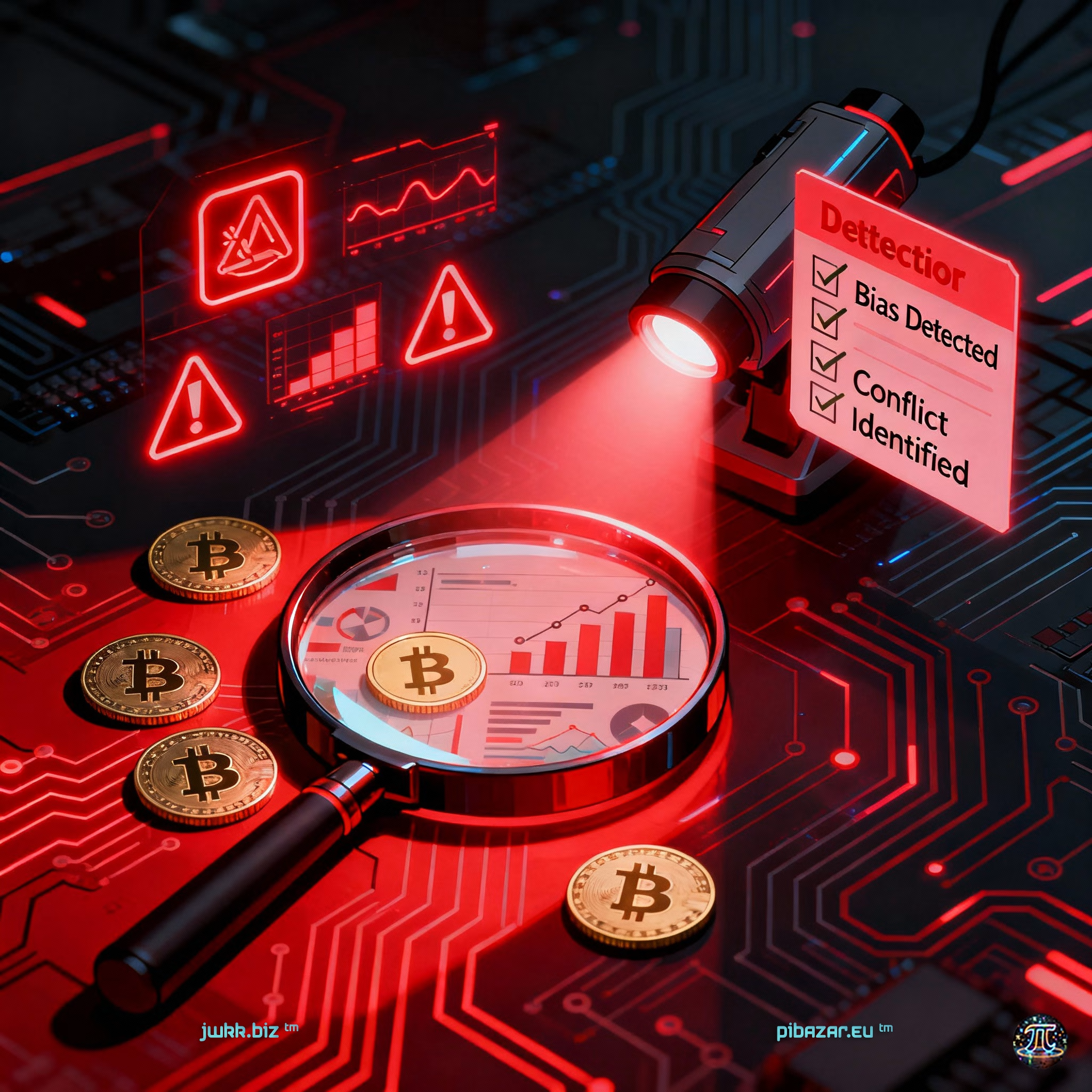
Metodika: 5 Klíčových Signálů Střetu Zájmů
Signál 1: „Kdo to napsal a co má na pozadí?“
Co pozorovat:
- Má autor vlastní projekt/společnost v krypto prostoru?
- Vydělává autor na růstu určité kryptoměny?
- Má autor veřejný konflikt s konkurencí?
Příklady z naší série:
| Autor | Pozice | Střet zájmů | Status |
|---|---|---|---|
| Martin Stránský | CEO Bit.plus (obchoduje s kryptoměnami) | Optimistické Bitcoin prognózy zvyšují objem | ✗ Skrytý – bez disclosure |
| Ben Zhou | CEO Bybit (burza) | Kritika Pi Network vylučuje konkurenci | ✓ Zřejmý – veřejně komunikuje pozici |
| Anonymní X účet | „Pi tech team“ (vydávající se za tým) | Lži o Bybit listingu chrání project | ✗ Manipulativní – vydávání si falešné autority |
Jak to aplikovat:
- Najděte základní informaci o autorovi (LinkedIn, web, X/Twitter)
- Ptejte se: „Má tento člověk finanční zájem na tom, co tvrdí?“
- Zkontrolujte: „Je tento zájem zveřejněn v článku? (disclosure)“
Praktický příklad – Kontrola:
Čtete článek: „Bitcoin poroste na 200 000 USD“
Autor: Neznámý „analytik“Vaše kroky:
✓ Krok 1: Vyhledejte autora na LinkedIn
✓ Krok 2: Zjistěte, jestli obchoduje s kryptoměnami
✓ Krok 3: Vyhledejte disclaimer v článku
✗ Výsledek: Žádný disclaimer → VAROVÁNÍ
Signál 2: „Jsou tvrzení opřena o zdroje?“
Co pozorovat:
- Má článek konkrétní zdroje nebo jen tvrzení?
- Jsou zdroje citelné a ověřitelné?
- Zmiňuje autor údaje bez vysvětlení jejich původu?
Příklady ze série:
| Tvrzení | Zdroj | Verifikace | Status |
|---|---|---|---|
| „Bitcoin bude 106-115K“ | Nejsou zmíněny | Vymyšlená prognóza | ✗ Neověřitelné |
| „Pi Network je Ponzi“ | Čínské policejní varování 2023 | Skutečné, ale bez kontextu | ⚠️ Částečně ověřitelné |
| „Bybit byl hacknutý za 1,5 mld.“ | CoinDesk, multiple sources | Veřejně potvrzeno | ✓ Plně ověřitelné |
Jak to aplikovat:
- Když vidíte konkrétní tvrzení, ptejte se: „Odkud to víme?“
- Zkuste najít původní zdroj (je-li citován)
- Ověřte si údaj u alespoň 2-3 nezávislých zdrojů
Praktický příklad – Kontrola:
Čtete: „Pi Network má 50 milionů aktivních uživatelů“
Váš test:
✓ Je uveden zdroj? (v článku? v diskuzi?)
✓ Jde na PiScan.io nebo Pi App a zkontrolujte aktuální čísla
✗ Zjistíte: Údaj je 2 roky starý
→ VAROVÁNÍ: Zastaralé nebo zavádějící číslo
Signál 3: „Koreluje to s tržní realitou?“
Co pozorovat:
- Shodují se tvrzení s tím, co se skutečně děje na trhu?
- Pokud prognóza tvrdí X, ale trh dělá Y – co se stalo?
- Má autor selhání v minulosti?
Příklady ze série:
| Tvrzení | Prognóza | Realita | Přesnost |
|---|---|---|---|
| Stránský o Bitcoinu | 106-115K USD | 101,8K USD (o 2 dny později) | ✗ 0% |
| Zhou o Pi Network | „Ponzi schéma“ | Pi žije 5+ let bez krachu | ⚠️ Teoretická obava |
Jak to aplikovat:
- Notujte si prognózu včetně data
- Vraťte se za 1-3 měsíce a zkontrolujte, co se stalo
- Vytvořte si „scorecard“ analytiků – kdo má pravdu?
Praktický příklad – Kontrola:
Kalendář:
17.11.2025 – Autor: „Eth poroste na $4000 do konce roku“
31.12.2025 – Vy: Zkontrolujete – eth je na $2800
→ Autor měl 0% přesnost
→ Příštích prognóz od tohoto autora si nebudete věřit
Signál 4: „Je autor transparentní a připraven debatovat?“
Co pozorovat:
- Odpovídá autor na kritiku nebo ji ignoruje?
- Připouští autor, že se mýlil?
- Blokuje autor své kritiky nebo je diskuse otevřená?
Příklady ze série:
| Osoba | Přístup | Transparentnost |
|---|---|---|
| Martin Stránský | Nesnaží se odpovídat kritice | ✗ Nízká – ignoruje |
| Ben Zhou | Veřejně debatuje, ale je emocionální | ⚠️ Střední – komunikuje, ale není neutrální |
| Pi Network | Vydává statements, ale zbytečně mlčí | ✗ Nízká – reaktivní místo proaktivní |
Jak to aplikovat:
- Pokud máte otázku → zkuste ji napsat autorovi (X, LinkedIn, email)
- Pozorujte: Odpovídá? Argumentuje? Nebo blokuje?
- Vyvozujete: „Má autor otevřenou mysl nebo jen propaguje?“
Praktický příklad – Kontrola:
Napíšete kritiku:
„Tvoje Bitcoin prognóza z 7.11 je nesprávná, protože…“Odpovědi:
✓ Dobrý zdroj: Autor vám odpovídá, vysvětluje, nebo připouští chybu
✗ Špatný zdroj: Autor vás blokuje, ignoruje, nebo útočí ad hominem
Signál 5: „Kdo finančně profituje na vašem rozhodnutí?“
Co pozorovat:
- Pokud uděláte, co autor doporučuje – kdo na tom vydělá?
- Má autor direktní finanční podíl?
- Může autor „pump and dump“ schéma?
Příklady ze série:
| Scénář | Doporučení | Kdo profituje | Riziko |
|---|---|---|---|
| Stránský: „Bitcoin 106-115K“ | Koupit Bitcoin | Bit.plus (objem) | ✗ Vysoké – může manipulovat |
| Zhou: „Pi je scam“ | Nekupuj Pi | Bybit (konkurence) | ✗ Vysoké – konkurenční práka |
| Anonymní Pi účet: „Bybit odmítl“ | Podpořit Pi | Pi Foundation | ✗ Vysoké – lež pro podporu |
Jak to aplikovat:
- Před každou investicí si položte otázku: „Kdo na tom profituje?“
- Pokud profituje osoba, která vám tvrzení říká → RED FLAG
- Hledejte analýzy od lidí, kteří nemají finanční zájem
Praktický příklad – Kontrola:
Čtete: „XYZ coin je nejlepší investice pro 2025“
Vaše analýza:
✗ Autor: Zakladatel XYZ coin (profituje na růstu ceny)
✗ Platform: XYZ official channel (profituje na propagandě)
✗ Timing: Článek vychází před „pump“ eventem→ VAROVÁNÍ: 100% manipulace
Praktická Příručka: Checklist pro Kontrolu Článku
Když čtete jakýkoliv krypto článek, projděte si tento checklist:
Checklist
□ AUTOR & MOTIVACE
□ Znám autora?
□ Má autor finanční zájem na tématu?
□ Je tento zájem v článku zmíněn? (disclosure)
□ Jde o autorův názor nebo o propagaci?□ ZDROJE & FAKTA
□ Jsou tvrzení opřena o zdroje?
□ Jsou zdroje linkované nebo alespoň jmenované?
□ Mohu si zdroje ověřit?
□ Jsou údaje aktuální?□ KONTEXTUALIZACE
□ Jsou zmíněny opačné názory?
□ Jsou zmíněna rizika?
□ Je článek vyvážený nebo jednostranný?
□ Chybí mi nějaké důležité informace?□ REALITA
□ Shoduje se to s tím, co vidím na trhu?
□ Měl autor v minulosti pravdu?
□ Jak se mýlil?□ KOMUNIKACE
□ Odpovídá autor na kritiku?
□ Je připraven připustit chybu?
□ Nebo se chová defenzivně?
Jak to používat:
✅ 8-10 zaškrtnutých: Článek je spolehlivý
⚠️ 5-7 zaškrtnutých: Opatrně, potřebujete více zdrojů
❌ 0-4 zaškrtnutých: VAROVÁNÍ, nevěřte slepě
Příklad z praxe: Aplikace na dva články ze série
Příklad 1: Stránský o Bitcoinu
Checklist:
✗ AUTOR: CEO Bit.plus – má VELKÝ finanční zájem
✗ MOTIVACE: Bez disclosure střetu zájmů
✗ ZDROJE: Bez konkrétních odkazů na data
✗ REALITA: Prognóza selhala za 2 dny (Bitcoin 3,97% pod hranicí)
✗ KOMUNIKACE: Autor se nesnažil obhajovat nebo opravitSkóre: 0/10 checklistů zaškrtnuto
→ ZÁVĚR: NÍZKÁ KREDIBILITA
Příklad 2: Ben Zhou o Pi Network
Checklist:
✓ AUTOR: CEO Bybit – má zájem, ale JE transparentní
⚠️ MOTIVACE: Zhou komunikuje svou pozici veřejně
✓ ZDROJE: Cituje čínské policejní varování
⚠️ REALITA: Teoretické obavy (Ponzi) nejsou zatím prokázány
✓ KOMUNIKACE: Zhou je verbální a diskutuje veřejněSkóre: 4/10 checklistů zaškrtnuto (někdy +0,5 za transparentnost)
→ ZÁVĚR: STŘEDNÍ KREDIBILITA – ale pečlivě číst
Zdroje & Inspirace
- Část 1 série: Martin Stránský a Bitcoin (pibazar.eu)
- Část 2 série: Ben Zhou vs. Pi Network (pibazar.eu)
- CoinDesk, Finance Magnates: Bybit CEO statements
- Cointelegraph, TradingView: Pi Network analýzy
- akademické zdroje: Behavioral Finance & Media Bias
Publikace: 17. listopadu 2025
Status: OVĚŘENO – Metodika aplikována na příklady ze série
Série: Část 3 – Praktická příručka pro identifikaci střetů zájmů
Souvísející články …
Pi Network
Oznámení o Pi Network
Pi Network je kryptoměnový projekt založený na blockchainu, jehož cílem je umožnit uživatelům těžit mince Pi pomocí chytrých telefonů. Cílem projektu je propagovat přijetí kryptoměn.
Projekt spustili doktorandi na Stanfordské univerzitě v roce 2019. Pi Network nabízí uživatelům jednoduchý a ekologický způsob těžby mincí Pi pouhým otevřením aplikace a stisknutím tlačítka jednou denně.
Jednou z funkcí sítě Pi je, že uživatelé mohou zvýšit rychlost těžby rozšířením své sítě. Síť Pi si navíc klade za cíl zvýšit hodnotu mincí Pi tím, že uživatelům umožňuje vytvářet a používat webové aplikace na platformě Pi.
Pi Network v současné době spouští svou hlavní síť. Chcete-li se k Pi Network připojit, musíte si stáhnout mobilní aplikaci a zadat pozvánkový kód. Pi Network je inovativní projekt, jehož cílem je připravit cestu pro budoucnost kryptoměn.
Jak se zúčastnit Pi Network
Pokud nejste členem sítě Pi Network, můžete začít během 5 minut kliknutím na tento odkaz. Registrací pomocí mého referenčního kódu jwkkbiz můžeme vydělávat Pi oba. Pi Network je aplikace, která vám umožní snadno těžit kryptoměnu „Pi“ ve vašem smartphonu. Stisknutím tlačítka jednou denně spustíte těžbu na 24 hodin, i když necháte telefon nečinný. V roce 2024 jsem těžil 360 dní v roce a ti, kteří přijali pozvání, získali mnoho výhod. Pokud se zaregistrujete pomocí referenčního kódu jwkkbiz, získáte 25% zvýšení rychlosti těžby.
Po 30 těžbách projdete KYC (Know Your Credit), proto nezapomeňte při registraci zadat své skutečné jméno. Pokud se zaregistrujete nesprávně, ztratíte 20 % jako pokutu.
Podrobnější informace a důvody registrace naleznete zde.
Mohlo by se vám také líbit:
- Free shares worth up to €100 on Trading 212
- Pi Network a „314 159 USD hodnota“: Největší hoax v historii projektu
- Kde externě sledovat, poslouchat a číst PiBazar.eu
- Burzy s Pi Network – Seznam Potvrzeno
- Proč cena PI Network vzrostla o 22 % za 24 hodin? Kompletní analýza růstu z 27. října 2025
- Pi Network 2026: Market Development, Listings and Price Forecasts
- Chytré hodinky Fitbit Versa 2 (NFC)
- Kolik lidí už zná Pi Network a jeho potenciál ?
Zanechat odpověď