
Sdílej článek:
Rozbor JSON struktury transakce s technickými komentáři najdete na konci.
Pro pokročilé!
Obsah článku
- Přehled audio a video [Čeština]
- Přehled audio a video [Angličtina]
- Základní kostra transakce
- Finanční metadata
- Rozbor JSON struktury transakce s technickými komentáři
- MBP memo jako identifikátor peněženky, transakcí a účtu
- S další migrací lze prokázat zda-li jde o
- A jak je to se soukromým účastníků
- Anonymizace
- KYC a KYB
- Souvísející články …
- Pi Network
Odhadovaná doba čtení: 4 minuty
Přehled audio a video [Čeština]
Přehled audio a video [Angličtina]
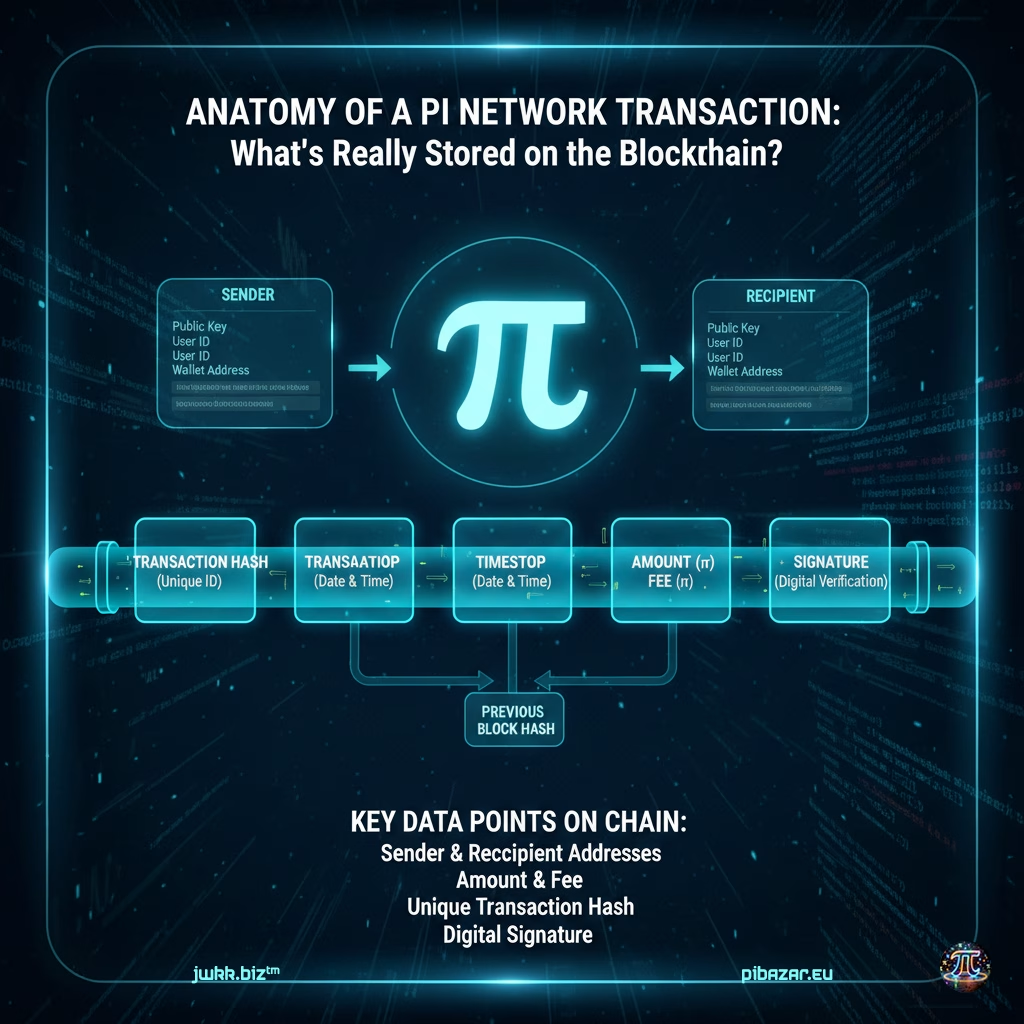
Základní kostra transakce
{
  "transaction_id": "a09d07ae...90d1c",
  "successful": true,
  "timestamp": "2025-03-29T16:05:18Z"
}
Účastníci transakce
{
  "source_account": "GALYYYXXXX...CRLV",
  "destination_account": "MDCVILYX...42W*[subaccount_id]"
}
Parametr – – Vysvětlení
source_accountStandardní Stellar adresa odesílatele (G…)a
destination_accountMuxed adresa – kombinace:- mateřská adresa (G…)
- Identifikator podúčtu – sub-id (*…) → bývá memo
Memo( např. pro CEX identifikaci)
Finanční metadata
{
  "amount": "199.99 π",
  "fee": "0.01 π",
  "asset": "native"
}- amount: Částka v π (1 π = 10^7 stroopů)
→ Raw hodnota – 1999900000 stroopů (viditelné v XDR)
feeFixní poplatek sítě (100000 stroopů = 0.01 π)assetnative = vlastní token Pi
Memo systém (kritické pro CEX)
{
  "memo": "48993411421743264311762",
  "memo_type": "text"
}- Funkce – Identifikátor pro přiřazení transakce uživateli na burze (text, číslo, šifra)
memo_bytes– záloha memo v daném typu //base64
XDR data: Jádro transakce
envelope_xdr
Obsahuje raw data transakce:
- Úplné adresy účastníků
- Přesná částka ve stroopech
- Memo a časové limity
result_meta_xdr
Zaznamenává:
- Změny zůstatků účtů
- Seznam operací a jejich efekty
- Stav po provedení transakce
Proč je tato struktura důležitá?
- Nezměnitelnost Po zápisu do bloku jsou data neměnná
- Transparentnost Každý může ověřit detaily transakce
- Efektivita Muxed adresy šetří místo v blockchainu
Co může způsobit problémy?
- Chybějící memo u CEX depositů → ztracené prostředky
- Rozdíl mezi
max_feeafee_charged→ transakce může selhat - Neplatný časový interval v
valid_after/before
– čtěte raději v PC –
Rozbor JSON struktury transakce s technickými komentáři
{
  transaction_id: "a09d07ae786859920f78697024bd81608f431d5dff03cbef362cb669c0908d1c",
  successful: true,
  timestamp: "2025-03-29T16:05:18Z",  // krome časové značky se odesílá minimální čas a max na zpracování
  source_account: "GALYYYXXXXSPS2O74224KLLKSLKSNXCPLLWNMEFYOT2BVSEXGSQCRLV",
  destination_account: "MDCVILYX4RATPIO6YTBXNIBEUZXI3EBI36NJXKGO4DVJINYJ5X42W*[subaccount_id]", // Muxed adresa  - [subaccount_id - memo]
}
{
memo: "48773411451743264311762", // Gate.io user deposit ID
memo_type: "text", // typ pro čtení a záloha v bytes - int64 to base64
}{
envelope_xdr: "AXY........Cdv==" , // obsahuje detaily o transakci (odesilatel, prijemce, množství a memo)
/* lab.stellar.org/xdr/view */
fee: "0.01 π" // převedený fee_charged (100000 stroops = 0.01 π)
amount: "199.99 π", // (raw: 1999900000) lidsky čitelný formát množství z envelope
asset: "native", // druh tokenu - v tomto pripadně Pi token
}{
result_meta_xdr: "AXY........Cdv==" // obsahuje post transakční zůstatky a vlivové efekty
}Na konci transakce je podpis signature
- Jak se generuje?
Podpis vzniká šifrováním hashe transakce pomocí soukromého klíče odesílatele.
from stellar_sdk import TransactionEnvelope, Network

envelope_xdr = "AA...gJ"
pubkey = "GC4FIWN4SWXQIZK6NV6CIC7PQJ2PAV4H7MI5ALRDX5CO2YD7FCKWBW3Y"
signature = "WDW3o8dSP35ZCevIULhnLtk6fgy+tyBgPq9GgPuhjFttgINpBnGGTFfKDAdRNpxB5AjstP4maYZKfIv9W24tAg=="

envelope = TransactionEnvelope.from_xdr(envelope_xdr, Network.PUBLIC)
envelope.verify_signature(pubkey, signature) # Vrátí True/False- Textové memo + podpis společně zajišťují:
Autenticitu Transakci poslal skutečný majitel.
Integritu Nikdo ji po cestě neupravil.
MBP memo jako identifikátor peněženky, transakcí a účtu
1. Co je memo v Pi Network?
- Memo je dodatečná poznámka k transakci na blockchainu.
- Slouží k:
- Párování peněženky s uživatelským účtem.
- Ověření vlastnictví (KYC, migrace z testnetu).
- Internímu trackování vývojářského týmu.
- unikátní náhodný token pro propojení s profilem.
2. Formát memo: MBP-PvObhyNCq4hh2tCny67UAR14
- v operacích vytvářející účet bez zdrojové adresy, distribuované adresou GBT7
MBP-– Pravděpodobně zkratka pro „Mainnet Beta Participant“PvObhyNCq4hh3tCny67UAR14– Unikátní náhodný hash nebo kód pro párovánímemo_bytes(TUJQLVB2T3JoeU5DcTRoaDJ0Q255NjdVQVIxNA==) – Base64 verze textového memo
S další migrací lze prokázat zda-li jde o
- Unikátní ID uživatele/peněženky
k uživatelům během migrace z testnetu nebo KYC
- Bezpečnostní nonci
Jednorázový kód pro ověření transakce
- Interní reference
pro spojení s konkrétní fází migrace v interní databázi Pi Core Teamu, ne na blockchainu
A jak je to se soukromým účastníků
Pomocí transakce lze identifikovat množství v držení i pro muxed účty to tedy znamená jen relativní soukromý uživatelům burzy ale nabízejí podúčty hlavních účtů a tím dosáhne další vrstvy soukromý za předpokladu, že provádíte pouze off-chain transakce v rámci burzovního účtu a podúčtů v kombinaci s deposity.
Anonymizace
Pro větší anonymizaci nebo skrytí prostředků je nutné provádět routing u BTC známé služby jako Rainbow a Tornado v rámci účtů na CEX tak relativně skryjete mnoho, pokud nejste exponováni.
KYC a KYB
Vlastnictví Pi mimo síť a účty s KYC u burz je komplikovanější nicméně je nutné aplikovat mnoho technik obecného anonymního přístupu k internetu, web3 peněženek a No-KYC burz.
Souvísející články …
Pi Network
Oznámení o Pi Network
Pi Network je kryptoměnový projekt založený na blockchainu, jehož cílem je umožnit uživatelům těžit mince Pi pomocí chytrých telefonů. Cílem projektu je propagovat přijetí kryptoměn.
Projekt spustili doktorandi na Stanfordské univerzitě v roce 2019. Pi Network nabízí uživatelům jednoduchý a ekologický způsob těžby mincí Pi pouhým otevřením aplikace a stisknutím tlačítka jednou denně.
Jednou z funkcí sítě Pi je, že uživatelé mohou zvýšit rychlost těžby rozšířením své sítě. Síť Pi si navíc klade za cíl zvýšit hodnotu mincí Pi tím, že uživatelům umožňuje vytvářet a používat webové aplikace na platformě Pi.
Pi Network v současné době spouští svou hlavní síť. Chcete-li se k Pi Network připojit, musíte si stáhnout mobilní aplikaci a zadat pozvánkový kód. Pi Network je inovativní projekt, jehož cílem je připravit cestu pro budoucnost kryptoměn.
Jak se zúčastnit Pi Network
Pokud nejste členem sítě Pi Network, můžete začít během 5 minut kliknutím na tento odkaz. Registrací pomocí mého referenčního kódu jwkkbiz můžeme vydělávat Pi oba. Pi Network je aplikace, která vám umožní snadno těžit kryptoměnu „Pi“ ve vašem smartphonu. Stisknutím tlačítka jednou denně spustíte těžbu na 24 hodin, i když necháte telefon nečinný. V roce 2024 jsem těžil 360 dní v roce a ti, kteří přijali pozvání, získali mnoho výhod. Pokud se zaregistrujete pomocí referenčního kódu jwkkbiz, získáte 25% zvýšení rychlosti těžby.
Po 30 těžbách projdete KYC (Know Your Credit), proto nezapomeňte při registraci zadat své skutečné jméno. Pokud se zaregistrujete nesprávně, ztratíte 20 % jako pokutu.
Podrobnější informace a důvody registrace naleznete zde.
Mohlo by se vám také líbit:
- Free shares worth up to €100 on Trading 212
- Pi Network a „314 159 USD hodnota“: Největší hoax v historii projektu
- Kde externě sledovat, poslouchat a číst PiBazar.eu
- Autorizace chytrých smluv v Soroban
- Folie na Samsung Galaxy S23 Ultra
- Aktualizace Podcastů – Rozdělení [CZ] a [EN] verzí
- CiDi Games: Successful launch of gaming platform on Pi network
- Pi Network dosáhla 200 zemí a pokračuje v testování chytrých smluv