
Sdílej článek:
⚠️ DŮLEŽITÉ UPOZORNĚNÍ: Tento článek je názorovou úvahou a analýzou pocházející z kryptoměnové komunity (původně Telma Hurlock DwdK, Binance Square, 19 říjen 2025). Hlavní teze o „záměrném kolapsu“ není potvrzena Pi Core Teamem a představuje spekulativní interpretaci událostí. Některá uvedená data nejsou nezávisle ověřena.
Obsah článku
- 📢 AKTUALIZACE (Oprava) po zpětné vazbě komunity (20. října 2025)
- Přehled audio a video [Čeština]
- Přehled audio a video [Angličtina]
- Analýza strategie Pi Network ve světle historie kryptoměn – alternativní pohled na propad ceny
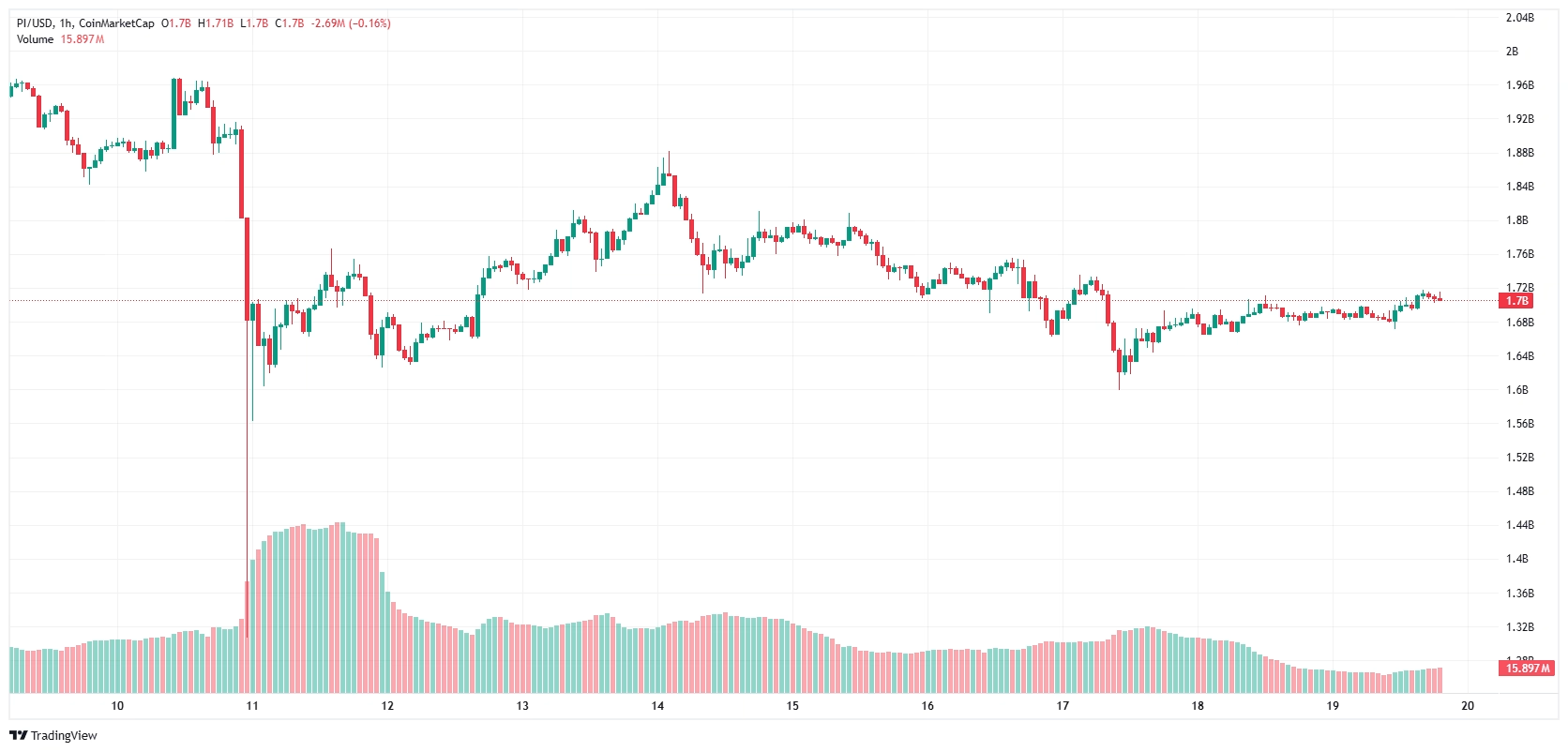
- Graf PI/USD od začátku do dnes 19.10.2025
- Lekce z historie: Proč Pi odmítá „Bitcoinovou cestu“?
- Skutečný „Pi Standard“: Komunitní loajalita přes lockup
- AMM jako nástroj monetární politiky
- Co bude následovat: Vítejte v Pi-Keynesianismu
- Kritické zhodnocení a alternativní vysvětlení
- Závěr
- Souvísející články …
- Pi Network
Odhadovaná doba čtení: 9 minut
📢 AKTUALIZACE (Oprava) po zpětné vazbě komunity (20. října 2025)
Děkujeme čtenářům za cennou zpětnou vazbu! Na základě připomínek jsme identifikovali a opravili některá nepřesná čísla v původním článku:
Opravená fakta:
- ❌ PŮVODNÍ tvrzení: „600 milionů Pi uzamčeno bez finančních pobídek“
- ✅ OVĚŘENO: V březnu 2025 bylo uzamčeno 65,6 milionu Pi za 48 hodin (207 080 účtů)
- ⚠️ UPŘESNĚNÍ: Číslo 600M+ se týká plánovaného ODEMYKÁNÍ existujících lockupů (červenec-prosinec 2025), nikoliv nových uzamčení
Vysvětlení terminologie:
- Pi Network rozlišuje mezi „staking“ (App Directory staking bez odměn) a „lockup“ (uzamčení Pi s mining boost odměnami)
- Existují dva typy lockupů:
- Pre-migration lockup – konfigurován před migrací na mainnet v Pi app
- On-chain lockup – konfigurován po migraci v Pi Wallet (od července 2024), umožňuje až 200% lockup
Tento přístup k opravám odráží naši snahu o transparentnost a faktickou přesnost.
Přehled audio a video [Čeština]
Přehled audio a video [Angličtina]
Analýza strategie Pi Network ve světle historie kryptoměn – alternativní pohled na propad ceny
Pro každého, kdo sledoval graf Pi Network od spuštění Open Mainnetu, je ten příběh bolestně povědomý. Euforický „pump“ na 3 dolary, následovaný brutálním, měsíce trvajícím propadem o více než 90 % na dno 0,20 dolaru. Zvenčí to vypadá jako učebnicový příklad „pump and dump“, který zanechal miliony drobných držitelů v prachu.
Podle této názorové analýzy je však tento pohled zásadně mylný. Autor tvrdí, že to, co vidíme, není selhání. Je to bolestivý, ale záměrný přechod od tržní anarchie k centrálně plánované ekonomice.
⚠️ KRITICKÉ UPOZORNĚNÍ: Toto tvrzení o „záměrném propadu“ není nikde oficiálně potvrzeno Pi Core Teamem. Jde o interpretaci autora bez přímých důkazů.
Analýza dat z blockchainu, strategických kroků a oznámení týmu podle autora odhaluje, že Pi Core Team (PCT) nechal svůj trh „vykrvácet“ z jediného důvodu: aby získal data a čas potřebný k vybudování nástroje, který chaos navždy ukončí.
Tímto nástrojem je jejich ohlášený vlastní „Auto Market Maker“ (AMM). A aby bylo jasno: toto není jen „další DEX“. Podle autora je to korporátní ekvivalent centrální banky.
✔️ OVĚŘENO: Pi Network skutečně oznámil vlastní DEX a AMM, které jsou aktuálně dostupné na testnetu od 30. září 2025. Mainnet verze je plánována v rámci protokolu v23.
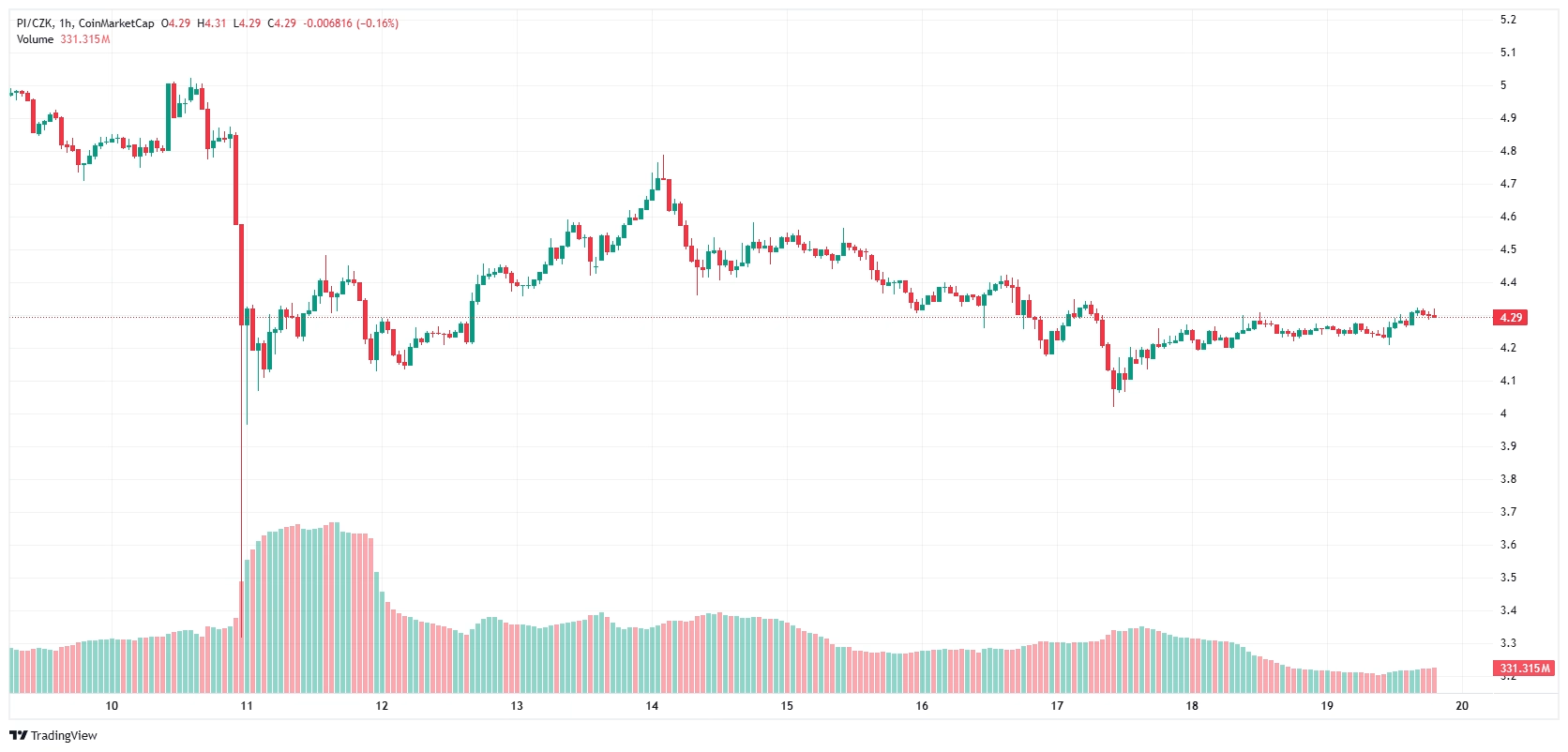
Graf PI/CZK od začátku do dnes 19.10.2025
Graf PI/USD od začátku do dnes 19.10.2025
Lekce z historie: Proč Pi odmítá „Bitcoinovou cestu“?
Abychom pochopili, co Pi podle této analýzy dělá, musíme se podívat, co odmítá.
Historie kryptoměn je definována étosem volného trhu.
Bitcoin je dokonalý „laissez-faire“ systém; nikdo ho neřídí, cena je čistým výsledkem nabídky a poptávky. Ethereum na to navázalo a dalo světu nástroje pro decentralizované finance (DeFi), jejichž králem je Uniswap – „hloupý“, ale spravedlivý AMM, který se ke všem chová stejně.
Výsledkem je svět, který milují spekulanti
Masivní volatilita, „pump and dump“ schémata a objevování ceny skrze chaos. PCT se podle této interpretace na tuto historii podíval a řekl: „Ne, děkujeme.“
Jejich strategie je podle autora mnohem bližší Ripple (XRP) nebo dokonce digitálním měnám centrálních bank (CBDC). Stejně jako Ripple Labs, i PCT má masivní pokladnu (Treasury) a financuje své operace prodejem tokenů.
Ale zatímco Ripple čelí neustálé kritice za své algoritmické prodeje, které „potlačují cenu“, Pi Network se podle této analýzy rozhodla udělat tento proces transparentním a elegantním. Místo aby tým „dumpoval“ tokeny na externí burzy, nyní buduje systém, kde se stane hlavním tvůrcem trhu (Market Makerem).
⚠️ NEOVĚŘENO: Článek tvrdí, že PCT „dumpoval“ tokeny „neohrabaně v 7-21 denních cyklech“. Toto tvrzení není podloženo žádnými zdroji ani nezávisle ověřeno.
Skutečný „Pi Standard“: Komunitní loajalita přes lockup
Než mohl PCT vůbec začít budovat centrální banku, potřeboval podle autora vědět, zda má „občany„, nebo jen „žoldáky„. K tomu posloužil koncept lockupu – uzamčení Pi s mining boost odměnami (na rozdíl od „stakingu“ v App Directory, který odměny nenabízí).
📊 OVĚŘENÁ DATA – Březnový lockup event (2025):
V březnu 2025 proběhla významná vlna lockupů, kdy bylo za 48 hodin uzamčeno 65,6 milionu Pi napříč 207 080 účty:
- 14 dní: 85 156 účtů | 14,7M Pi
- 28 dní: 26 060 účtů | 5,3M Pi
- 6 měsíců: 11 218 účtů | 3,15M Pi
- 1 rok: 12 412 účtů | 5,74M Pi
- 3 roky: 72 234 účtů | 36,7M Pi
✔️ OVĚŘENO: Tato data jsou potvrzena oficiálními Pi Network zdroji a komunitními analýzami (Binance Square, Reddit, PiScan.io).
Technická poznámka o lockup systému:
Pi Network nabízí dva typy lockupů, které se liší v implementaci, ale používají stejné výpočty odměn:
- Pre-migration lockup – Konfigurován v Pi mining app před migrací na mainnet. Ovlivňuje Pi v další migraci.
- On-chain (post-migration) lockup – Zaveden v červenci 2024. Konfigurován v Pi Wallet po migraci. Umožňuje uzamčení až 200% migrovaného množství (pro Pioneers, kteří získali dodatečné Pi z aplikací nebo obchodu).
Oba typy jsou nevratné po potvrzení a zvyšují mining rate na základě procenta a délky lockupu.
⚠️ KONTROVERZE: Zatímco lockup s mining odměnami vyvolal pozitivní reakce, „App Directory staking“ (bez odměn, pouze pro ranking aplikací) vyvolal v komunitě značné zmatení a kritiku. Mnoho uživatelů očekávalo tradiční staking odměny.
AMM jako nástroj monetární politiky
Toto je podle analýzy jádro celé strategie. Vlastní AMM není trh; je to nástroj monetární politiky. PCT nebude pasivně sledovat, co trh dělá. Bude jej aktivně řídit.
Jejich AMM jim umožní něco, co Uniswap nedokáže: „diferencované pobídky„.
Ekosystémová „dotace“ (Plán A)
Tým bude podle této vize masivně dotovat pooly, které považuje za prospěšné. Liquidity pooly pro DApps (hry, AI), jako Pi / Herní_Token, budou mít téměř nulové poplatky a budou zaplaveny extra Pi odměnami. Toto je „mrkev“ – cesta k budování.
Spekulativní „daň“ (Plán B)
Tým podle autora ví, že musí existovat most k reálnému světu (USDC/USDT), aby přilákal vývojáře. Tento most, ale bude drahý. Pool Pi / USDC bude záměrně „potrestán“ – například 1% poplatkem (ve srovnání s 0,1 % jinde) a nulovými extra odměnami. Toto je „bič“ – daň z odchodu pro spekulanty.
⚠️ SPEKULACE O BUDOUCNOSTI: Tyto popisy fungování AMM jsou spekulacemi o budoucí implementaci. AMM je zatím pouze na testnetu a jeho finální fungování na mainnetu není známo.
Co bude následovat: Vítejte v Pi-Keynesianismu
Kolaps z 3$ na 0,20$ podle této kontroverzní analýzy nebyl selháním. Byl to křest ohněm, který tým donutil opustit naděje na volný trh a plně přijmout svou roli centrálního plánovače.
Tým se podle autora nebojí ceny 1$. Bojí se volatilní, spekulativní cesty k 1$, která by zničila jejich DApps ekonomiku. Jejich AMM bude fungovat jako tlumič – bude absorbovat spekulativní pumpy „přiléváním“ likvidity z pokladny a tlumit pády jejím stahováním.
Pi Network podle této vize tak nevytváří konkurenta pro Bitcoin. Buduje první korporátní centrálně řízenou digitální ekonomiku v masivním měřítku.
Kritické zhodnocení a alternativní vysvětlení
Realita propadu ceny:
Pi Network skutečně zažil dramatický propad z přibližně 3 USD na současných ~0,20 USD, což představuje pokles o více než 90 %. Objem obchodování se snížil o 96 % a projekt čelí rostoucímu tlaku nabídky a zklamání investorů.
Alternativní vysvětlení propadu:
- Přirozený pokles po hypovaném launchi bez skutečné utility
- Masivní odemykání tokenů vytvářející tlak nabídky (600M+ Pi k odemčení červenec-prosinec 2025)
- Nedostatek listingů na top burzách (Binance, Coinbase)
- Zklamání z pomalého rozvoje ekosystému
- Obvyklý cyklus kryptoměnových projektů
Problémy s hlavní tezí:
- Žádný přímý důkaz o záměrné strategii propadu
- Původní číslo 600M uzamčených bylo nepřesné – potvrzeno je 65,6M za 48h
- Chybějící zdroje pro tvrzení o prodejních cyklech
- Jednodušší vysvětlení (tržní síly) je pravděpodobnější než složitá konspirace
Co je ověřeno:
- Pi Network má vlastní DEX a AMM na testnetu ✓
- Projekt má dva typy lockupů (pre-migration a on-chain) ✓
- V březnu 2025 bylo uzamčeno 65,6M Pi za 48h ✓
- Cena skutečně klesla o 90 % ✓
- Komunita je loajální navzdory ztrátám ✓
Co je plánováno k odemčení:
- 600M+ Pi tokenů k odemčení (srpen-prosinec 2025) ✓
- Denní migrace přidávají 3-5M tokenů do oběhu ✓
Závěr
Tato analýza představuje zajímavou, ale kontroverzní interpretaci současné situace Pi Network. Hlavní teze o „záměrném kolapsu“ je neověřitelná spekulace, která může být zavádějící pro investory trpící 90% ztrátami.
Přesto článek přináší cennou perspektivu na to, jak by Pi Network mohla budovat centralizovanou kryptoekonomiku odlišnou od Bitcoin/Ethereum modelu. Ať už je interpretace správná nebo ne, jejich přístup „komunita-první“ s lockup mechanismem (65,6M Pi uzamčeno za 48h v březnu 2025) představuje zajímavý experiment v historii digitálních aktiv.
Pro investory
Pamatujte, že jde o spekulativní analýzu, nikoliv o potvrzenou strategii. Investiční rozhodnutí čiňte na základě ověřitelných faktů, ne kontroverzních teorií.
Redakční poznámka
PiBazar.eu prezentuje tento článek jako názorový příspěvek z komunity pro informační účely. Nepodporujeme ani nevyvracíme uvedené teorie a doporučujeme čtenářům kritické myšlení a vlastní výzkum. Děkujeme čtenářům za zpětnou vazbu, která nám pomohla zpřesnit faktické údaje v tomto článku.
Souvísející články …

Pi Network
Oznámení o Pi Network
Pi Network je kryptoměnový projekt založený na blockchainu, jehož cílem je umožnit uživatelům těžit mince Pi pomocí chytrých telefonů. Cílem projektu je propagovat přijetí kryptoměn.
Projekt spustili doktorandi na Stanfordské univerzitě v roce 2019. Pi Network nabízí uživatelům jednoduchý a ekologický způsob těžby mincí Pi pouhým otevřením aplikace a stisknutím tlačítka jednou denně.
Jednou z funkcí sítě Pi je, že uživatelé mohou zvýšit rychlost těžby rozšířením své sítě. Síť Pi si navíc klade za cíl zvýšit hodnotu mincí Pi tím, že uživatelům umožňuje vytvářet a používat webové aplikace na platformě Pi.
Pi Network v současné době spouští svou hlavní síť. Chcete-li se k Pi Network připojit, musíte si stáhnout mobilní aplikaci a zadat pozvánkový kód. Pi Network je inovativní projekt, jehož cílem je připravit cestu pro budoucnost kryptoměn.
Jak se zúčastnit Pi Network
Pokud nejste členem sítě Pi Network, můžete začít během 5 minut kliknutím na tento odkaz. Registrací pomocí mého referenčního kódu jwkkbiz můžeme vydělávat Pi oba. Pi Network je aplikace, která vám umožní snadno těžit kryptoměnu „Pi“ ve vašem smartphonu. Stisknutím tlačítka jednou denně spustíte těžbu na 24 hodin, i když necháte telefon nečinný. V roce 2024 jsem těžil 360 dní v roce a ti, kteří přijali pozvání, získali mnoho výhod. Pokud se zaregistrujete pomocí referenčního kódu jwkkbiz, získáte 25% zvýšení rychlosti těžby.
Po 30 těžbách projdete KYC (Know Your Credit), proto nezapomeňte při registraci zadat své skutečné jméno. Pokud se zaregistrujete nesprávně, ztratíte 20 % jako pokutu.
Podrobnější informace a důvody registrace naleznete zde.
Mohlo by se vám také líbit:
- Free shares worth up to €100 on Trading 212
- Pi Network a „314 159 USD hodnota“: Největší hoax v historii projektu
- Kde externě sledovat, poslouchat a číst PiBazar.eu
- Jak ohodnotit Pi? – určení hodnoty
- Nová týdenní aktualizace! Zapojte se do Pi Network Hackathonu a spojte se s komunitou
- Dokovací stanice i-tec USB 3.0 s duálním video DVI HDMI
- Pi Network: Technická analýza naznačuje další růst – ale jsou obavy z manipulace oprávněné?
- Důkladné Vysvětlení „Přístupového Klíče“ Pi Network
Zanechat odpověď